
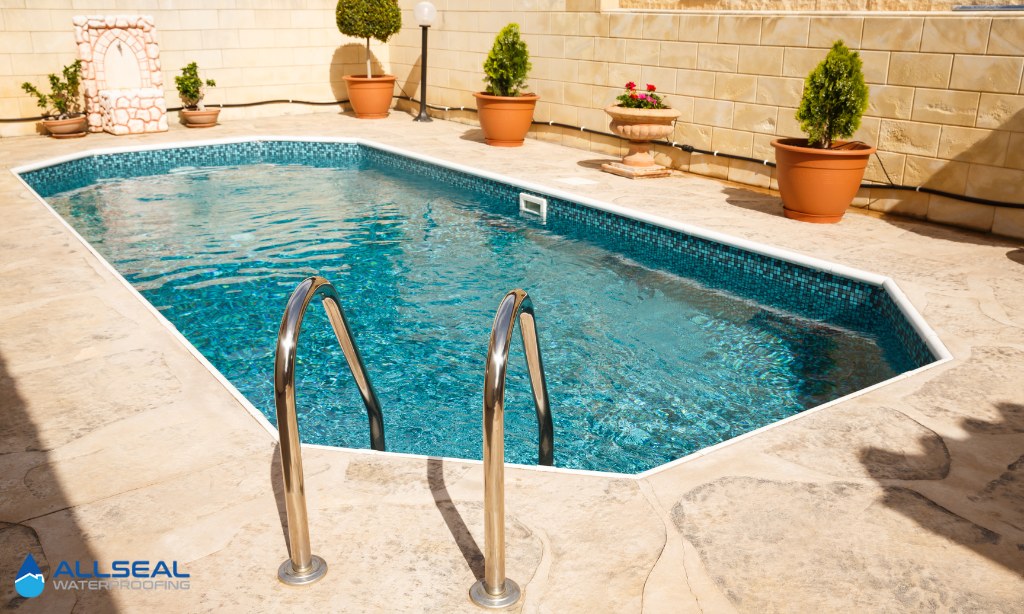
You walk out to your swimming pool one morning and notice the water looks a bit lower. You think it’s just the heat, but the next day it drops again. That’s how many pool leaks begin quietly. Usually, there are 5 early signs your swimming pool is losing water in SG.
If you are thoroughly aware of these early signs, you can easily spot trouble before it turns into expensive repairs. If your pool loses more than normal, shows damp spots, or has small cracks, it’s likely leaking.
Let’s go over these signs in detail so you know exactly what to look for.
What are Those 5 Early Signs Your Swimming Pool is Losing Water in SG?
Now, let’s talk about the five early signs your swimming pool is losing water in Singapore, what to look for, and what you can do to fix it before it gets worse.
1. Rapid Drop in Water Level
If your pool water keeps dropping faster than usual, it’s one of the first and most obvious signs of a leak. In Singapore’s humid climate, normal evaporation causes about 3mm to 7mm (roughly ¼ inch) of water loss daily.
But if you’re losing more than 2 inches per week, something’s wrong. You can check this easily with the bucket test.
How to Do the Bucket Test
| Step | Action | What to Notice |
| 1 | Fill a bucket with pool water and place it on the pool step. | The top of the bucket should be above the water surface. |
| 2 | Mark the water levels inside and outside the bucket. | Use waterproof tape or a marker. |
| 3 | Wait 24 hours with the pump off. | Avoid swimming during this time. |
| 4 | Compare the water levels. | If the pool water drops more than the bucket’s, it’s likely leaking. |
Why this matters: Evaporation happens slowly. But if you constantly see a big dip every day, you’re losing water through cracks, joints, or pipes, not the air.
2. Wet Spots or Soggy Ground Around the Pool
If you notice damp patches or mushy soil near your swimming pool area, you might be seeing water escaping underground. In Singapore, where the weather is hot and often humid, the ground around your pool should stay relatively dry.
If certain spots are always wet or the soil feels soft, water could be leaking through the pool walls or plumbing lines.
Things to watch for:
- Constant puddles near the pool deck or equipment area
- Sudden grass overgrowth (water may be feeding it)
- Small sinkholes or uneven ground
Leaks can wash away soil below the pool deck, slowly eroding the ground. If left unchecked, it may lead to cracks or foundation problems.
3. Cracks or Damage in the Pool Structure
Tiny cracks might look harmless, but they can let water escape slowly every day. Singapore’s weather, with hot days, heavy rain, and humidity, causes concrete pools to expand and contract. This ultimately creates hairline cracks over time.
These cracks often appear:
- Around tiles or coping stones
- Near lights or fittings
- Along the pool floor or steps
Common Crack Locations Table
| Pool Area | Typical Problem | Leak Risk |
| Tile joints | Grout erosion | Moderate |
| Pool floor | Pressure cracks | High |
| Light fittings | Seal failure | High |
| Skimmer box | Loose seal | Moderate |
Tip: Use a pool dye test kit. Squeeze dye near the crack. If the dye gets pulled in, water is escaping through that spot.
4. Sudden Change in Water Chemistry
If you’re adding chemicals more often than usual, it could mean you’re losing treated water. A leak constantly brings in fresh tap water, which dilutes the chemical balance.
You might notice:
- Chlorine levels dropping faster
- pH levels becoming unstable
- Cloudy or greenish water even after treatment
If the problem persists, you’ll end up spending more on chemicals, and your pool water might still not stay clear. Fixing leaks keeps your chemical levels steady and saves money in the long run.
5. Air Bubbles in the Pool Pump or Return Jets
When you see bubbles in your pool jets or inside the pump basket, it usually means air is sneaking into the system. Most of the time, it comes from a suction-side leak.
This means somewhere before the pump, like the skimmer line or drain pipe, air is getting pulled in instead of water.
You might also notice:
- Gurgling or hissing sounds around the pump
- Weaker water pressure coming from the jets
- The pump keeps losing prime or suddenly stops and sputters
Simple Check:
- Turn off your pump and listen closely. If you hear bubbling or air escaping, there’s likely a small leak in the plumbing. It’s best to get it checked or call an experienced technician or service, like Allseal Waterproofing PTE Ltd, before it causes bigger problems.
Other Signs That May Appear Later
Sometimes smaller clues can also hint at a slow leak:
- Rising water bills: Refilling your pool more often increases costs.
- Water marks on tiles: Dirt lines showing lower water levels day by day.
- Sounds of running water: When the system is off, but you still hear trickling sounds.
These may seem minor, but over time, they point to a hidden leak that’s wasting both water and money.
What to Do if You Suspect a Leak
If you’ve noticed one or more of these signs, don’t ignore them. Here’s what you can do:
- Do the bucket test to confirm if it’s evaporation or leakage.
- Inspect the pool shell, like check tiles, steps, and fittings for visible cracks.
- Check plumbing and equipment. Look around your pump and filter for water drips or bubbles.
- Call an experienced and reliable swimming pool leak repair professional in Singapore.
They use tools like pressure testing, dye tracing, or electronic leak detection to pinpoint the exact source without breaking your pool apart.
Swimming Pool Leak Repair Cost Breakdown in Singapore
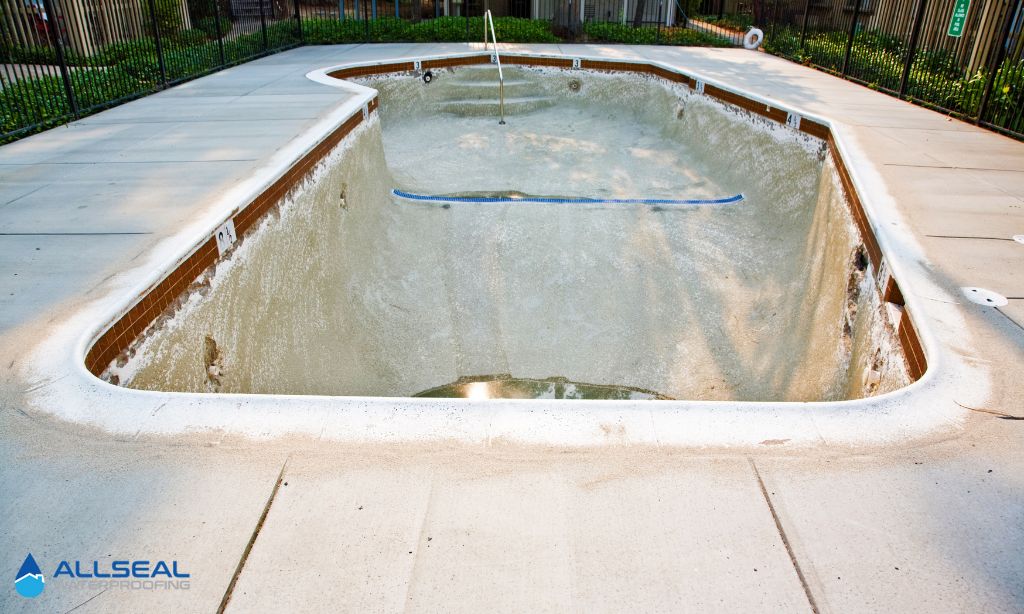
In Singapore, fixing a swimming pool leak can cost differently depending on how serious the problem is. A simple leak detection using dye or pressure tests usually costs around $300 to $800.
Small surface repairs like sealing cracks or fixing tiles may cost between $200 and $600. If the leak is in the plumbing, repairing or re-routing underground pipes can go from $1,000 to $4,000.
Structural issues such as resealing or resurfacing the concrete can be quite expensive, often between $5,000 and $10,000 or more. Replacing equipment like pumps or filters usually costs $500 to $2,000 each.
After repairs, refilling the pool and rebalancing the water may add another $150 to $500. If any digging or work damages your garden or tiles, restoring the area can cost another $500 to $2,000.
Wrapping Up
So, to sum it up, a small leak might not look serious at first, but in Singapore’s heat and humidity, it can quickly turn into a big and costly problem. If you notice your pool water dropping faster, see wet patches, or spot cracks, don’t wait too long. These 5 early signs your swimming pool is losing water in SG can help you understand what’s really happening and when to act. Doing simple checks and calling a professional at the right time will keep your pool safe, your bills lower, and your water sparkling clean.
For accurate detection and long-term protection, it’s best to consult a trusted Waterproofing Specialist who can assess the issue early and prevent further damage.
FAQs
1. How often should I check my pool for leaks in Singapore?
It’s good to check your pool once every few weeks, especially during hot or dry weather. Just keep an eye on the water level and look around for damp spots or cracks.
2. Can a small pool leak get worse over time?
Yes, even a small leak can slowly damage your pool structure and the ground underneath. The constant water flow can widen cracks or wash away soil. Fixing it early saves you a lot of money and stress later.
3. Why does my pool lose water faster during hot days?
On very hot or windy days, your pool naturally loses more water through evaporation. But if you see the level dropping too quickly, more than usual, it could be a leak. Always compare it with the normal evaporation rate to be sure.
4. Is it safe to swim in a pool that has a leak?
You can swim, but it’s not ideal to keep doing so for long. A leak can affect your pool’s chemical balance, making the water less clean or safe. It’s better to get it checked and repaired quickly.
5. Can I use pool leak sealant myself to fix minor leaks?
Yes, you can use a pool leak sealant for very small cracks or fittings. But if the leak keeps coming back or you can’t find the source, it’s time to call a professional. DIY fixes are fine for now, but not for long-term solutions.
6. Will a pool leak increase my electricity bill, too?
It can, because your pump and filtration system might work harder to maintain the right water flow. That means higher power use. Once you fix the leak, your system will run more smoothly and save energy.
7. How can I tell if the leak is in the pool or the plumbing?
If you lose water only when the pump is running, the problem is likely in the plumbing lines. But if it drops even when the system is off, the leak is probably in the pool structure itself. Watching when the water level changes helps you figure it out.
8. What happens if I ignore a pool leak for too long?
Ignoring it can lead to bigger cracks, soil erosion, or even pool wall damage. You may also spend more on water and chemicals every month. It’s always smarter to fix it early before it becomes a serious problem.
9. Can heavy rain hide a pool leak?
Yes, sometimes rain makes it hard to notice a slow leak. The water level may look normal because of the rainwater. Once the weather clears, watch the level closely for a few days to see if it drops again.
10. When should I call a professional leak detection service?
If you’ve done the bucket test, checked for cracks, and still can’t find the problem, it’s time to call a pro. They have tools to locate hidden leaks without breaking your pool. Getting expert help quickly saves you time and prevents damage.