
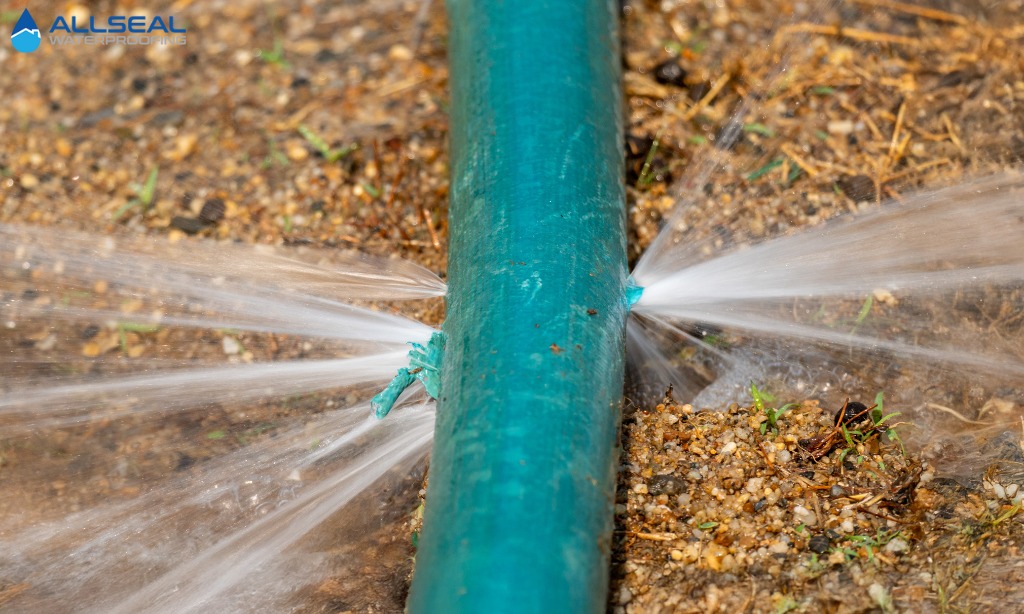
You obviously know that hidden pipe leaks are sneaky. They can cause big damage before you even notice them. In Singapore, our humid climate and high water bills make early detection very important. That’s why knowing how to detect concealed pipe leaks can save you money, prevent mould, and protect your home from long-term damage.
If you spot unusual water stains, persistent musty smells, or a sudden drop in water pressure, these could be signs of a hidden pipe leak. We will show you simple ways to check for leaks yourself and when to call a trusted professional, like Allseal Waterproofing PTE Ltd, so you can act fast and avoid costly repairs.
Let’s begin.
What are Concealed Pipe Leaks?
Concealed pipe leaks are leaks you cannot see. They happen inside walls, under floors, or even underground. These leaks waste water silently and slowly damage your home.
Why Concealed Pipe Leaks Happen in Singapore
Leaks do not just happen randomly. In Singapore, pipes can have problems for a few simple reasons. Old pipes get weak and wear out over time. Our humid weather makes metal pipes rust faster.
High water pressure can burst weak pipes. Bad installation or loose joints can start leaking slowly. Pipes underground can crack when the soil moves, especially in landed houses.
Rust and corrosion eat through metal pipes, which is common in old HDB units or water heater lines. Bathroom pipes can leak from pressure, and renovated areas can have loose fittings.
All these things make hidden leaks happen quietly, so it is important to watch for them.
Here’s How to Detect Concealed Pipe Leaks: Key Signs and Solutions
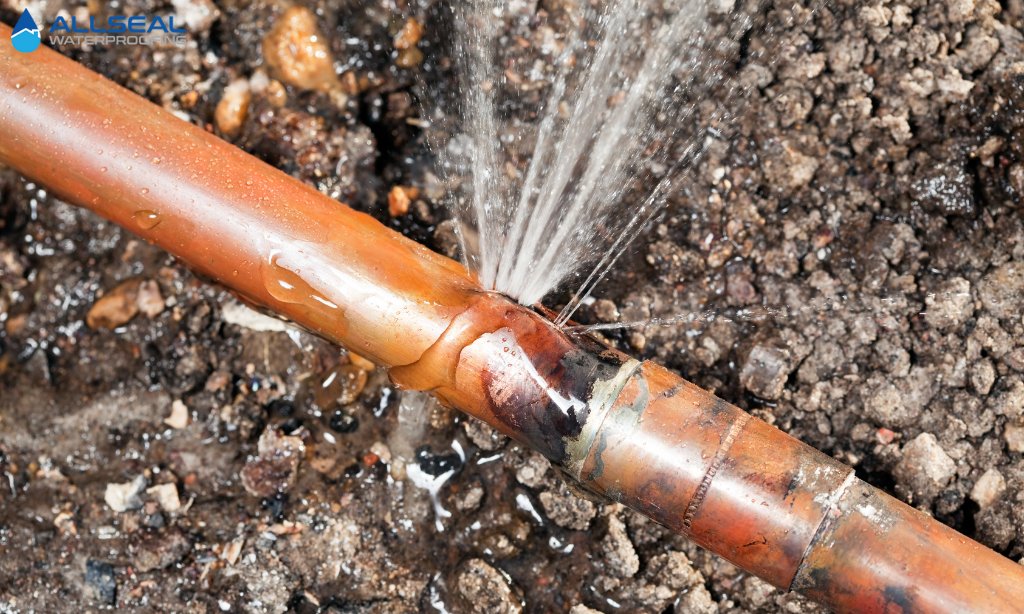
Now, let’s show you how easily you can detect concealed pipe leaks and what solution you might take.
Early Warning Signs of Concealed Pipe Leaks
You do not always need a professional to notice a leak. Look for these signs:
- High water bills: Spike without reason? There may be a hidden leak.
- Musty smell: A damp, mouldy smell can mean water is leaking somewhere.
- Water stains: Yellow or brown patches on walls or ceilings.
- Low pressure: Weak flow in taps or showers.
- Mould or mildew: Black, green, or white fuzzy spots.
- Warm floor spots: Hot water pipe leaks can make floor areas warm.
- Puddles or soggy lawns: Underground leaks make lawns wetter than usual.
- Unusual pipe sounds: Hissing or dripping behind walls.
DIY Leak Detection Methods (Easy Checks You Can Do Yourself)
Some leaks can be found without a plumber. Here are simple steps:
Water Meter Test
- Turn off all water in your home.
- Check the water meter and note the reading.
- Wait 15 minutes or overnight.
- If the meter moves, you have a leak.
Food Colouring Test for Toilets
- Put a few drops of food colouring in the toilet tank.
- Wait 10–15 minutes without flushing.
- If colour appears in the bowl, your toilet is leaking.
Visual and Smell Check
- Look under sinks, around toilets, and near water heaters.
- Check for damp spots, peeling paint, or strange smells.
Pressure Gauge Test
- Attach a gauge to an outdoor faucet.
- Turn off the main supply.
- Watch for a pressure drop. If it drops, there is a leak somewhere.
Listening Test
- Turn off all water.
- Listen closely for dripping, running, or hissing sounds behind walls.
Professional Leak Detection Solutions in Singapore
Some leaks are tricky. Professionals use advanced tools to find them:
Thermal Imaging (Infrared Detection)
- Detects temperature changes caused by water leaks.
- Works well behind walls or under floors.
Ultrasonic Sound Detection
- Uses high-frequency sound to find leaks you cannot hear.
- Very precise, even under floors or underground.
Pressure Testing
- Checks the plumbing system for drops in pressure.
- Helps find leaks in larger or hidden pipe sections.
Camera Inspection
- Small cameras go inside pipes.
- Shows cracks, blockages, or leaks visually.
Smoke or Dye Testing
- Use safe smoke or coloured dye to find leaks in drains or underground pipes.
- Moisture Meters and Ground Sensors
- Detect damp walls or underground leaks without breaking walls.
| Detection Method | How It Works | Suitable For | Accuracy Level |
| Thermal imaging | Detects temperature difference | Behind walls | High |
| Ultrasonic sound | Listens for escaping water | Floors, walls | Very high |
| Pressure test | Monitors system pressure | Large systems | Medium |
| Camera inspection | Visual pipe inspection | Drain lines | High |
In Singapore, professional leak detection usually costs between SGD 150 and SGD 1,000, depending on the method used, the severity of the leak, and the size of the property.
What to Do After Detecting a Leak
If you find a leak, act fast:
- Turn off your main water valve immediately.
- Call a licensed plumber (PUB-approved in Singapore).
- Remove wet materials to prevent mould.
- Dry affected areas thoroughly.
- Test the repair to ensure it is fixed completely.
How to Prevent Future Concealed Pipe Leaks
Prevention saves money and stress. Here are the key steps:
- Schedule annual plumbing check-ups.
- Replace old metal pipes with PEX or copper.
- Keep water pressure within safe limits.
- Install smart water leak sensors.
Control indoor humidity with dehumidifiers.
| Preventive Step | How Often | Benefit |
| Professional inspection | Once a year | Early detection |
| Replace ageing pipes | Every 15–20 years | Prevent corrosion |
| Use smart sensors | Continuous | Instant leak alerts |
When to Call a Professional (Don’t Wait Too Long)
The leak detection market in Singapore is getting bigger. It was worth USD 2.5 billion in 2024 and is expected to grow steadily each year, reaching about USD 4.8 billion by 2033. This shows that more homes and businesses will use professional leak detection services in the coming years.
So, you should not ignore leaks. Small leaks can become big problems. Walls can rot, mould can grow, and floors can warp. So, if you need to detect concealed pipe leaks, our team at Allseal Waterproofing PTE Ltd can come to your site, inspect every corner, and locate even hidden leaks without unnecessary damage.
We provide a full report and professional repair plan so your home stays safe and dry.
Contact us today to schedule a site visit.
Wrapping Up
Hidden pipe leaks can be sneaky, but you can catch them early. So, how to detect concealed pipe leaks? Look out for damp spots, strange smells, hissing sounds, or high water bills. Do simple DIY checks or call a professional if you’re unsure. Acting fast saves money, stops damage, and keeps your home safe and dry in Singapore’s humid weather.
If the signs persist or the source is hard to find, consulting a trusted Waterproofing Specialist can help identify the problem accurately and prevent further structural damage.
FAQs
1. How often should I check for hidden pipe leaks?
It’s good to check every few months. Watch your water bills, listen for strange sounds, and look for damp spots or musty smells. Regular checks help you spot leaks before they grow.
2. Do concealed leaks increase my water bill a lot?
Yes, even a small hidden leak wastes water constantly. Your bill can rise without you noticing. Fixing leaks quickly keeps your bills lower and saves water.
3. Are leaks more common in older Singapore homes?
Yes, older HDB flats and houses often have ageing pipes. Metal pipes corrode and joints loosen over time. Keeping an eye on them helps prevent hidden leaks.
4. Should I try to fix a concealed leak myself?
You can try small DIY checks like watching the meter or looking for damp spots. But big leaks need professionals to avoid more damage.
5. Can plumbing renovations hide new leaks?
Yes, new pipe work can leak if joints aren’t tight. Always check after renovations and call a professional if you notice water issues.