
When water starts leaking from a ceiling or wall, most people face the same string of questions: Should I call a plumber or a waterproofing contractor? How do I tell a waterproofing specialist from a general contractor? And once I know who to call, how do I pick a good one and avoid getting burned by an unqualified provider?
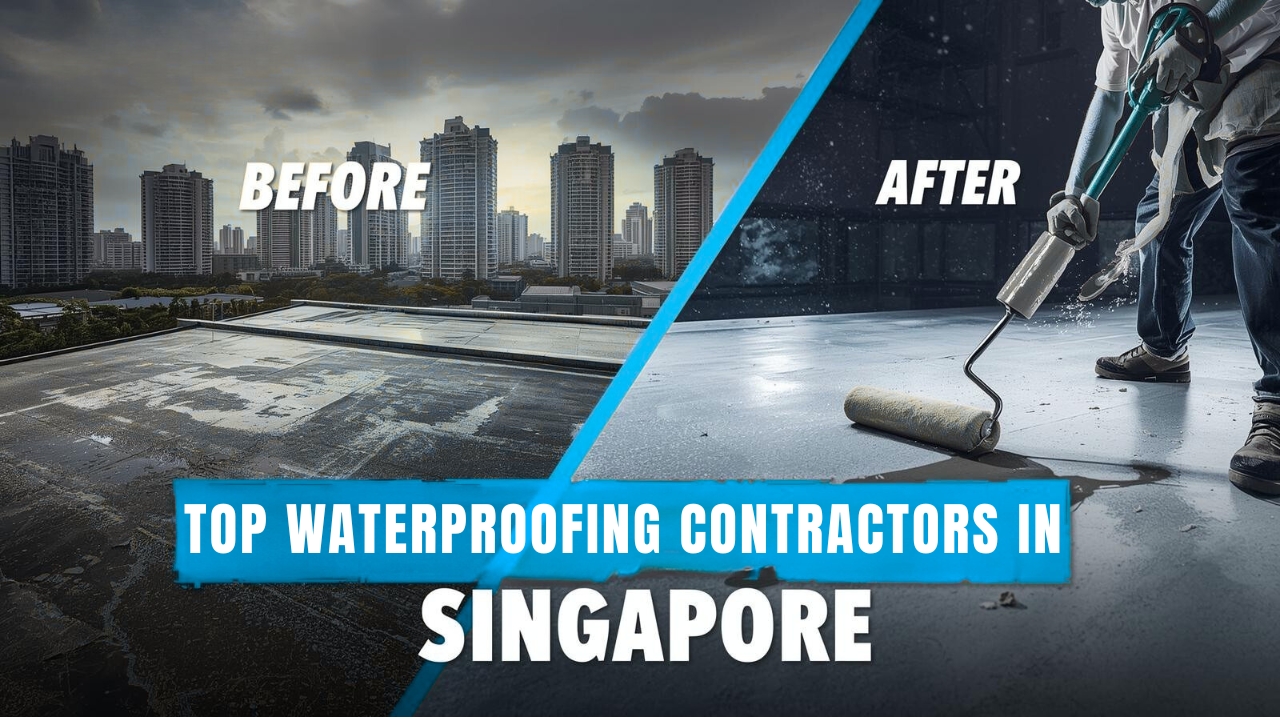
This guide answers all of it in one place: the difference between a waterproofing specialist and a general contractor, when to call a specialist instead of a plumber, the mistakes homeowners make before they even call for help, what to look for when choosing a contractor, the risks of hiring an unqualified one, why commercial buildings need dedicated specialists, and how real specialists diagnose leaks without guesswork.
Waterproofing Specialist vs General Contractor: What’s the Difference?
A waterproofing specialist focuses entirely on stopping water problems and protecting buildings from moisture damage — roof leaks, bathroom water leakage, wall seepage, balcony cracks, ceiling stains, basement dampness, and swimming pool leaks. Their job isn’t to cover the problem but to find where the water comes from and stop it at the root. If water drips from your ceiling, they trace the source — a cracked roof slab, broken membrane, or pipe joint — repair the actual cause, apply proper waterproof layers, seal gaps, and test again.
A general contractor handles a much broader range of building work: renovations, painting, flooring, plumbing, electrical work, tiling, and carpentry. If water leakage appears during a renovation, they may fix it as part of the overall project — often by changing tiles, redoing plaster, or repainting — but their main role isn’t to deeply solve waterproofing problems.
Difference in Problem-Solving Approach
Take a common example: your wall paint starts bubbling and peeling. A general contractor may scrape off the damage, apply filler, smooth the surface, and repaint. Everything looks fine — for a few months. Then the bubbles return, because the water is still entering the wall from somewhere and the visible damage was fixed, not the cause.
A waterproofing specialist instead inspects the outer wall, nearby windows, roof edges, joints, and cracks to trace exactly how water is getting in — a hairline crack, a broken window seal, or a porous wall surface. Only after sealing the real entry point with proper waterproof coatings or membranes do they recommend repainting. This time, the paint stays fine for years, not months.
Difference in Materials Used
Waterproofing specialists use materials built specifically to block and resist water long-term: PU coatings that form a flexible waterproof layer on roofs and balconies, cementitious layers for walls and bathrooms, bituminous membranes for roofs and slabs, nano-seal solutions that penetrate surfaces, and waterproof injections that fill hidden cracks inside concrete. General contractors mainly use cement, tiles, paint, plaster, wood, and ordinary sealants — excellent for finishing work, but not designed to resist sustained water pressure. Paint peels, cement cracks, and normal sealants dry out and shrink if waterproofing underneath isn’t done properly.
Difference in Testing
After finishing, a waterproofing specialist tests their work — water ponding tests over several hours, moisture meters to check hidden dampness, and re-inspection of joints and corners. A general contractor usually finishes once the wall looks clean or the tiles look neat, and rarely performs water-specific tests, since that isn’t their core area.
Comparison Table
| Point | Waterproofing Specialist | General Contractor |
|---|---|---|
| Main Focus | Stops water and seepage | Handles overall building work |
| Skills | Only waterproofing | Many construction tasks |
| Materials | Waterproof membranes and coatings | Cement, paint, tiles |
| Problem Solving | Fixes the root cause | Fixes surface issues |
| Testing | Water and moisture tests | Usually no water testing |
| Result | Long-term leak protection | Short to mid-term fixes |
Call a waterproofing specialist when: you see water stains, paint peels repeatedly, walls feel damp, the roof leaks during rain, bathroom water spreads to other rooms, a balcony floor holds water, or mould keeps coming back.
A general contractor makes sense when: you’re renovating your whole house, changing flooring and walls, rebuilding a room, or doing painting and tiling together as part of a larger project — but not for water issues alone.
When Should You Call a Waterproofing Specialist Instead of a Plumber?
A plumber works with pipes and water flow — call one when a pipe bursts inside a wall, a sink is clogged, a toilet won’t flush, a tap leaks, or a water heater fails. They fix the water system, not the building itself.
A waterproofing specialist works on the building structure to stop water entering where it shouldn’t — call one when water enters through walls, ceilings, floors, or roofs; paint peels and bubbles from moisture; mould keeps coming back; tiles feel damp even after cleaning; or cracks let rainwater inside. A common example is a bathroom leak that has already reached the ceiling of the unit below.
Real situations where a waterproofing specialist, not a plumber, is the right call:
- Water stains on ceiling or walls: If a plumber checks the pipes and finds nothing wrong, the water is probably entering from outside or through the building structure (roof, concrete slab, or external wall) — very common on HDB top floors, older condos, and landed houses.
- Balcony or bathroom still leaking after a pipe fix: This usually means the problem is loose tile joints, a damaged waterproof layer under the tiles, or hidden cracks — none of which a plumber can fix.
- Wall seepage after rain: Dry on sunny days but wet after rain points to tiny wall cracks, weak external paint, or loosened concrete joints — not plumbing.
- Roof leaks and ceiling drips during rain: Roof slabs, membranes, metal roof joints, and tile roof gaps are not plumbing items — they need proper surface treatment and sealing.
- Mould that keeps returning after cleaning: Cleaning only removes what you see; the real problem is trapped moisture that only waterproofing can stop at the source.
- Damp basement or ground floor: Cold, wet floors and a musty smell usually mean water rising from the ground or entering through weak concrete protection — a job for waterproofing systems, not plumbing.
- Old buildings with recurring water problems: Buildings over 10–15 years old showing repeated leaks and failing paint typically need long-term waterproofing protection, not small pipe repairs.
| Problem You See at Home | Who to Call | Why |
|---|---|---|
| Water dripping from ceiling during rain | Waterproofing specialist | Water enters through the roof or slab |
| Wet wall only after rain | Waterproofing specialist | Water comes from outside the walls |
| Paint peeling with damp marks | Waterproofing specialist | Moisture trapped inside the wall |
| Bathroom leaks even after pipe repair | Waterproofing specialist | Problem under tiles or membrane |
| Balcony leaking to the lower floor | Waterproofing specialist | Surface waterproof layer failed |
| Pipe burst or tap leaking | Plumber | The problem is in the pipe |
| Toilet or drain blocked | Plumber | Flow issue inside plumbing |
| Low water pressure | Plumber | Pipe or valve problem |
Simple rule: if water comes from pipes, call a plumber. If it comes from walls, floors, the ceiling, or the roof, call a waterproofing specialist. Singapore’s heavy rain, high humidity, high-rise living, and many ageing buildings make this distinction especially important here — calling the wrong person delays the real fix and increases repair costs.
12 Mistakes Homeowners Make Before Calling a Waterproofing Specialist
Singapore’s humidity (often above 80%) and sudden heavy rain make water leaks common across HDB flats, condos, landed homes, and offices. Before calling a specialist, many homeowners unknowingly make the problem worse:
- Painting over water stains: Paint doesn’t stop water — it only hides the mark. Trapped moisture can cause peeling and bubbling, mould, concrete spalling, and even rusting steel reinforcement, which expands and cracks the concrete around it.
- Using hardware store sealants as a permanent fix: Most DIY sealants aren’t made for Singapore’s sun and heat cycles. They dry out, crack, or lose flexibility after one heavy rainy season, sometimes trapping water under tiles until they pop up or loosen.
- Thinking grout is waterproof: Grout is only slightly water-resistant and somewhat porous. The real waterproofing layer is the membrane underneath the tiles — regrouting won’t fix a failed membrane.
- Fixing the symptom, not the source: Water can travel sideways inside a concrete slab before surfacing elsewhere. Without proper testing (moisture checks, water ponding tests), you can repair the wrong spot entirely.
- Ignoring early warning signs: A musty smell, hairline cracks, tiny paint bubbles, or hollow-sounding tiles are all early signs. In Singapore’s humidity, mould can grow within one to two days — waiting almost always makes things worse and more expensive.
- Not understanding HDB leakage responsibility rules: Toilet leakage often involves both upper and lower units. HDB usually requires a joint water test before responsibility is confirmed — jumping to blame a neighbour without testing just causes unnecessary conflict and delay.
- Damaging the existing waterproof membrane: Drilling into bathroom walls, installing shower screens, or chipping concrete to “inspect” a leak can puncture the hidden membrane, letting in water every time you shower.
- Using harsh chemicals to remove mould: Bleach and strong acids clean the surface but damage sealants, weaken grout, corrode metal parts, and break down waterproof coatings over repeated use.
- Not recording the leak properly: “It leaks sometimes” isn’t enough information. Note whether leaks happen only during heavy rain, only after showers, or only at night — photos, videos, dates and times all speed up diagnosis.
- Choosing the cheapest contractor without checking credentials: Waterproofing needs proper surface prep, moisture testing, and correct product selection. Cheap contractors who skip these steps may look fine at first but fail within the first heavy rainy season.
- Assuming waterproofing lasts forever: Bathrooms may last 8–15 years; roofs face constant sun and rain and weaken faster. Regular inspections every few years catch failures before they become major leaks.
- Blocking drainage points: Clogged drains let water pool on the surface, increasing pressure on joints and cracks until it eventually seeps through — sealing cracks alone won’t fix a drainage slope problem.
Estimated Financial Impact of These Mistakes (Singapore, SGD)
| Mistake | What Happens Later | Estimated Cost |
|---|---|---|
| Painting over ceiling water stains | Continued internal leakage, mould, ceiling plaster damage | $200 – $1,000 (higher if hacking needed) |
| Using cheap hardware sealants as a permanent fix | Crack reopening, balcony leakage, tile detachment | $500 – $4,500+ |
| Thinking grout is waterproof | Hidden membrane failure, toilet slab leakage | $800 – $3,500+ |
| Fixing the ceiling without tracing the source | Repeated leakage, wider slab damage | $300 – $1,500 per crack; more if slab repair required |
| Ignoring early hairline cracks | Concrete spalling, exposed reinforcement repair | $3,000 – $10,000+ |
| Damaging the waterproof membrane during drilling | Full toilet membrane failure | $1,500 – $4,000+ |
| Blocking drainage points | Water ponding, seepage through joints | $800 – $5,000+ |
| Choosing the cheapest contractor (thin coating only) | Early membrane failure within 1–2 years | $1,800 – $3,500+ |
What to do instead: don’t paint over damp areas before checking the source, don’t apply random sealant without understanding the root cause, don’t accuse neighbours without proper testing, don’t delay inspection, document everything clearly, and get a professional assessment early. Professional leak detection uses proper tools, avoids guesswork, and prevents unnecessary hacking.
How to Choose the Right Waterproofing Contractor in Singapore
Once you’ve decided you need a specialist, here’s what actually separates a good one from a bad one:
- Check their experience. Look for someone who understands how different building materials handle water, follows waterproofing regulations, inspects carefully, knows modern sealing and coating methods, and communicates clearly throughout the job.
- Look at their reputation. Ask around or read reviews online to see whether past clients were satisfied with the work.
- Don’t ignore qualifications. Look for relevant education or training, proper insurance, accreditation under the SCI Waterproofing Accreditation Scheme, a track record of completed CONQUAS/QM projects, and a company accredited on financial standing, human resources, and quality management.
- Learn about their materials and methods. Good contractors use durable, purpose-made materials — cheap materials waterproofed on the cheap is money wasted. Ask each contractor to explain the difference between no-hacking and traditional waterproofing for your situation, and why they recommend one over the other.
- Know their skill level. Review their past work via their website or portfolio to judge the quality and neatness of past jobs — for example, our completed waterproofing projects.
- Check their schedule flexibility. Make sure their availability matches your timeline.
- Verify their licenses. Confirm they hold the right licenses and approvals from Singapore’s authorities.
- Find out their full range of services. A capable contractor should cover bathroom leaks, balcony waterproofing, roof waterproofing (metal, concrete, pitched/clay tile), swimming pool leaks, wall seepage, ceiling leaks, and no-hacking methods.
- Consider their customer service. A good company communicates clearly, answers your questions, and keeps you updated at every step.
- Check their price — but not in isolation. Don’t pick the cheapest option blindly; make sure the price matches their experience and reputation.
Do deep research before hiring, ask direct questions about their process, and check reviews alongside their past work. If you’re unsure, look for a contractor with a proven, long-standing track record in Singapore.
5 Reasons Not to Hire an Unqualified Waterproofing Service
Choosing the cheapest provider without checking their skills, training, or BCA registration can cost you far more than you save:
- Reinforcement corrosion: Water that reaches steel rebar inside concrete beams causes rusting and weakening — in severe cases, a beam can even collapse during heavy rainfall.
- Mould growth: Poorly waterproofed areas create an ideal environment for mould, mildew, and algae, triggering allergies and respiratory problems and damaging furniture and furnishings.
- Lower indoor temperatures and higher bills: Ongoing leakage evaporation cools surfaces, pushing up heating costs in already climate-controlled homes.
- Concrete spalling: Water absorbed into concrete causes it to expand and break off — a genuine injury risk from falling concrete, plus peeling paint that can contaminate food or belongings below.
- Respiratory disease risk: Persistent leaking water creates conditions for viruses and harmful microbes, worsening air quality and causing breathing difficulties — with expensive medical treatment as the downstream cost.
Hiring a properly qualified team instead gets you compliance with Singapore’s waterproofing standards and regulations, trained staff using proper safety gear, faster completion thanks to real experience, responsible waste management and disposal, and the use of specialised tools that most homeowners and unqualified operators simply don’t have access to.
Why Commercial Buildings Need Dedicated Waterproofing Specialists
Commercial buildings face constant exposure to heavy rain, humidity, and daily usage — and they’re larger, more complex, and more expensive to repair than residential properties. A small leak can mean business downtime, equipment damage, ceiling collapse risk, mould growth, and tenant complaints.
Real Commercial Waterproofing Challenges in Singapore
- Office building roof leakage (CBD): Flat rooftops collect water during heavy rain; as waterproofing layers weaken, this leads to ceiling water stains, dripping in offices, and damaged ceiling panels. Specialists apply membrane or polyurethane waterproofing systems to resolve this.
- Basement seepage: Shopping malls and office buildings with underground basements face groundwater pressure, leading to cracked walls, damp basement walls, and mould. Specialists use injection grouting and basement waterproofing systems.
- Commercial toilet leakage: Heavy daily use breaks down waterproofing layers, causing water to leak to lower floors, ceiling damage, and odours — addressed with cementitious waterproofing and no-hacking repair methods.
- Industrial building wall seepage: Humidity and rain exposure cause damp walls, paint peeling, and structural deterioration in older industrial buildings, treated with external waterproofing coatings.
Commercial properties are especially vulnerable because of their large, complex structures (rooftops, multi-level floors, basements, car parks, mechanical rooms), heavy daily usage that accelerates wear, and constant exposure to Singapore’s tropical climate. Dedicated specialists bring accurate leak detection, long-term waterproofing solutions (rather than repeated temporary patches), advanced technology (injection grouting, membrane and polyurethane waterproofing, liquid coatings), and no-hacking methods that let businesses keep operating during repairs.
Common commercial cases include office building roof and wall leaks, shopping mall basement and ceiling leaks, warehouse roof and wall seepage, commercial toilet leakage affecting lower floors, and car park deck water penetration. Warning signs to watch for: ceiling water stains, damp walls, mould growth, paint peeling, water dripping, and musty smells.
How Waterproofing Specialists Identify Leak Sources Without Guesswork
A consistent truth from field inspections: the visible leak location is rarely the actual source. Water moves through hidden pathways inside reinforced concrete, slab joints, pipe sleeves, and construction cold joints before it appears on ceilings or walls. In roughly 7 out of 10 cases, the leak point is not located directly above the visible stain.
The Structural Leak Mapping System (SLMS)
- Leak Behaviour Mapping: Analysing stain geometry, expansion direction, and damp intensity gradient to identify the water’s movement path, not just surface damage.
- Moisture Gradient Analysis: Using calibrated moisture meters (dry zone baseline 6–10%, suspected zone 12–18%, active ingress zone 20%+) — the water source is usually near the peak saturation zone, not the stain’s visual centre.
- Structural weak-point identification: Inspecting high-risk zones — slab cold joints, wall-floor junctions, pipe penetrations, expansion joints, and bathroom waterproof membranes, which account for roughly 80% of leaks in Singapore buildings.
- Controlled water testing: Isolating small 1–2 m² sections and applying controlled water flow to monitor response time, rather than flooding an entire area and risking false positives.
- Root cause validation: Confirming whether a given spot is the primary entry point or just a secondary exit point before repair begins — preventing repeated repair failures.
Case Study: High-Rise Office Leak Misdiagnosed as Roof Failure
A Tampines commercial tower had water dripping from the ceiling after heavy rain. The initial assumption was roof membrane failure directly above. Moisture mapping instead showed the roof surface was dry (8–10%) while an adjacent slab zone showed 26% saturation, tracing to upward migration from a vertical service shaft. Targeted inspection found a pipe sleeve penetration with a 0.6mm micro-crack and failed sealing compound — the real cause was defective pipe sleeve waterproofing, not roof failure. A localised PU injection resolved the leak permanently in a single visit, with no roof repair needed.
Case Study: Basement Seepage Misdiagnosed as Full Wall Failure
A commercial mall on Orchard Road had continuous dampness and mould on a basement retaining wall. The initial assumption was groundwater pressure across the entire wall. Thermal imaging instead showed localised cold moisture bands, not uniform seepage; crack mapping found hairline cracks (0.2–0.4mm) at a construction cold joint line, with moisture readings of 31% at the joint versus 9% in the dry zone. The real cause was failure of the cold-joint waterproof sealing between construction phases. High-pressure PU injection grouting, cold-joint re-sealing, and surface protection membrane reinforcement stabilised the basement fully within 72 hours, with no recurrence.
Field analysis suggests around 70% of failed repairs happen because contractors repaired based on the visible stain location rather than tracing the real entry point, which is often one to three floors above or along a lateral slab movement path. Combining thermal imaging, moisture gradient mapping, dye tracing under controlled flow, and infrared subsurface scanning — backed by real field experience to interpret the data — typically reduces total repair cost by 40–70% through accurate diagnosis alone.
How Specialists Diagnose Structural Water Damage
Water stains, peeling paint, damp walls, or recurring mould are often signs of deeper structural water damage — common in Singapore due to heavy rainfall, high humidity, condensation, and ageing waterproofing systems. Experienced specialists know visible damage rarely reveals the true leak source, since water often travels through concrete slabs, wall cavities, or waterproofing layers before appearing somewhere different. That’s why professional diagnosis today relies on non-destructive methods: thermal imaging, moisture mapping, and pressure testing, instead of unnecessary hacking.
Surface Leak vs Structural Leak
| Leak Type | Description | Common Signs | Severity |
|---|---|---|---|
| Surface Leak | Water remains near the outer surface | Minor damp spots, cracked grout, peeling paint | Lower |
| Structural Leak | Water penetrates deeper into walls, slabs, or concrete | Recurring seepage, mould, ceiling leakage, concrete deterioration | High |
The Diagnostic Process
- Visual inspection and moisture pattern analysis: Circular ceiling stains may indicate pipe leakage; vertical damp streaks may suggest rainwater seepage; moisture near window edges often points to façade cracks; widespread bathroom dampness may indicate membrane failure. In many Singapore condos, ceiling stains aren’t directly below the actual leak source, since water can travel horizontally inside concrete slabs — a key reason DIY repairs often fail.
- Moisture meter testing: Identifies hidden moisture behind walls, water saturation inside concrete, active seepage zones, and moisture spread beneath flooring — distinguishing active leaks from residual moisture, condensation, or old historical damage.
- Thermal imaging: Infrared cameras detect temperature differences caused by hidden moisture behind surfaces, since wet materials retain heat differently than dry ones — letting specialists narrow down a leak location without destructive hacking.
- Pressure testing: Checks whether pipes can maintain stable pressure over time, confirming whether an issue originates from plumbing or from waterproofing failure before any repair work begins.
Example: a condo owner noticed bubbling paint beside the bathroom wall. Visual inspection suggested wall seepage, but thermal imaging revealed concentrated moisture beneath the shower area, and moisture meter testing confirmed heavy saturation behind the tiles while pressure testing showed stable plumbing pressure — the actual problem was a failed bathroom waterproofing membrane, not a broken pipe. Without proper diagnostic testing, unnecessary pipe hacking could have been performed instead.
Common structural water damage areas in Singapore properties include bathrooms (deteriorated membranes, failed floor traps, pipe penetration leakage, cracked tile joints), rooftops (membrane deterioration, ponding water, concrete cracks, UV damage), balconies (cracks from rain, sun, and expansion/contraction that let water seep into lower units), and external walls (façade cracks and failed sealants that let rainwater in during storms).
Modern diagnostic technology significantly reduces unnecessary hacking, though severe structural leakage may still need targeted hacking once the source is confirmed — the goal isn’t “zero hacking,” it’s accurate diagnosis before repair begins. Watch for recurring ceiling stains, bubbling paint, damp walls, musty odours, mould that keeps returning, worsening leaks during rain, cracked bathroom grout, unexplained floor moisture, or rising water bills as signs you need a professional inspection.
Why Allseal Waterproofing is the Right Choice
At Allseal Waterproofing PTE Ltd, we’ve focused only on waterproofing and leak protection across Singapore since 2014. We don’t just cover leaks — we trace them to the source using structured diagnostic methods (moisture mapping, thermal imaging, pressure testing), then stop them using advanced no-hacking methods, long-lasting materials, and clear inspection reports. From roofs and bathrooms to balconies, basements, and commercial buildings, our team delivers clean, fast, durable solutions with warranty support.
Get a free quote today and protect your property from water damage. Call Allseal Waterproofing at +65 8360 1752 for a site survey and a fast, professional assessment.
Frequently Asked Questions
How do I know if I need a waterproofing specialist or just a plumber?
If the leak comes from a pipe, a plumber can fix it. If water seeps through walls, ceilings, balconies, or slabs, you likely need a waterproofing specialist. A proper inspection avoids fixing the wrong problem.
Is waterproofing work always very expensive?
Not always — early repairs cost much less. Prices rise sharply once damage spreads and hacking is needed, so acting early usually saves money.
Will insurance cover water leakage repairs?
It depends on your policy. Some cover sudden pipe bursts but not long-term seepage — check your policy details and speak to your insurer early.
How long does waterproofing usually last?
Bathrooms may last many years if done properly; roofs and balconies face the sun and rain daily and may wear out faster. Regular checks help catch problems early.
What happens during a site inspection?
The specialist checks the affected area carefully, may use moisture meters or perform water tests, and tries to find the real source before suggesting repairs — avoiding unnecessary hacking.
Is hacking always required to fix leaks?
Not always. Some leaks can be repaired using no-hacking methods, but if the waterproof layer is badly damaged, targeted hacking may be necessary. Proper diagnosis decides the right method.
How often should commercial waterproofing be inspected?
Generally every 1–2 years, though this can vary with building age and usage.
Can small cracks really cause serious water problems?
Yes — even tiny cracks let rainwater slowly enter, weakening walls and ceilings over time. A specialist seals these early before they cause major damage.
Wrapping Up
Water leaks usually start small, but they rarely stay small. Knowing the difference between a plumber, a general contractor, and a waterproofing specialist — and knowing what separates a qualified contractor from an unqualified one — is the single biggest factor in whether your repair lasts five years or five months. When in doubt, get a proper diagnostic inspection before any repair work begins, and choose a contractor with verifiable credentials, a track record, and a clear testing process behind their work.