
If you’ve ever noticed water stains on your walls or damp patches in your home, you know how frustrating it can be. Waterproofing is very important in Singapore. The tropical climate, heavy rain, and high humidity can cause serious water damage if your home or building isn’t protected. That’s the reason we’ve come up with some common waterproofing mistakes & solutions in Singapore.
From leaky bathrooms to rooftop ponding, ignoring the right waterproofing steps can lead to mould, cracked walls, and expensive repairs. In this guide, we’ll walk you through the most frequent mistakes and practical ways to fix them so your home stays dry and safe all year round. Here we go.
The most common waterproofing mistakes in Singapore are poor surface preparation, low-quality or incompatible materials, ignoring corners and joints, assuming tiles are waterproof, skipping curing time, bad drainage, membrane punctures, and hiring inexperienced contractors. Each has a practical fix, from proper priming and angle fillets to flexible membranes and correct floor slopes.
What are Common Waterproofing Mistakes & Solutions in Singapore?
Below, we explain the common waterproofing mistakes in Singapore, their solutions, and how experts like Allseal Waterproofing PTE Ltd can help you protect your home.
1. Improper Surface Preparation
Many people skip cleaning or levelling the surface before applying waterproofing. Dust, dirt, or bumps stop the waterproof layer from sticking properly.
That’s why you should always clean and smooth surfaces before applying materials. For concrete, make sure it is fully cured and fix any cracks first. Doing this makes the waterproof layer last longer and work better.
2. Using Low-Quality or Incompatible Materials
Cheap or weak materials break down quickly under Singapore’s sun and heavy rain. Sometimes people mix coatings that do not work together, like using water-based paint over polyurethane.
So, always choose strong, high-quality materials made for Singapore’s weather. Check the instructions to make sure different products can be used together. This avoids early damage and repeated repairs.
Picking the right waterproofing material is key. See the 7 best waterproofing types in Singapore to find the most effective one for your home.
3. Ignoring Critical Areas
Corners, wall-floor junctions, drains, and pipes are weak spots. If you ignore them, water can leak even if the rest is fine. Use special techniques like angle fillets for corners and seal tightly around pipes. This protects vulnerable areas and stops hidden leaks from forming.
4. Assuming Tiles and Grout are Waterproof
Many think tiles and grout block water. Actually, grout is porous and lets water pass through. That’s why a proper waterproof membrane under tiles is needed. Just re-grouting will not stop water. A hidden membrane keeps your floor and walls dry.
5. Insufficient Curing Time
Applying tiles, paint, or other finishes too soon can damage the waterproof layer. Not following the recommended curing time makes it weaker. Always wait the full curing period.
To check curing time, always read the product label first. Ask your contractor if unsure. Make sure the surface is fully dry and firm before adding tiles or paint. This allows the waterproof layer to bond fully and last longer.
6. Poor Drainage and Floor Slope
Blocked drains or floors that do not slope correctly cause water to pool. Standing water puts pressure on the waterproof system and leads to leaks. That’s the reason you should keep drains clean and design floors to let water flow away naturally. This reduces stress on membranes and prevents damage.
7. Puncturing the Waterproof Membrane
Nails, screws, or construction work can accidentally poke holes in the waterproof layer. Even small holes let water in and spread damage. So, plan installation carefully when adding fixtures or furniture. Repair any punctures immediately to stop leaks.
8. Hiring Inexperienced Contractors
Low-cost or unlicensed contractors may use poor techniques or bad materials. Temporary fixes fail quickly in Singapore’s weather. Always hire licensed and experienced waterproofing specialists in Singapore. They know proper methods and use durable materials that last longer.
9. Roof Leaks
Singapore roofs face strong sun and heavy rain. Cracked tiles, old membranes, and blocked gutters often cause leaks. Inspect roofs regularly, fix damaged tiles, clear drains, and use durable membranes made for roofs. This keeps water out and prevents damage inside.
10. Bathroom Waterproofing Failures
Bathrooms are wet areas prone to leaks. Cracks, broken grout, or poorly installed membranes let water seep through. Apply waterproof membranes under tiles, seal all joints, and fix plumbing leaks. Proper work keeps bathrooms dry and mould-free. Besides, knowing the common signs of water seepage helps you act early.
11. Balcony Water Seepage
Balconies often collect water or have damaged membranes. Water can seep into ceilings below, ruining walls and furniture. Use flexible waterproof coatings, seal cracks, and make sure drains work well. Water will flow away without pooling.
If your balcony often has water pooling, you can try these 7 easy balcony waterproofing ideas to stop leaks and protect your space.
12. Rising Damp in Ground Floor Units
Moisture from the ground can rise through walls if barriers fail or are missing. This causes peeling paint, damp patches, and salt stains. At this point, chemical damp-proof injection or wall repair stops moisture. Detecting it early saves money and protects your home’s structure.
13. Basement Water Problems
Basements face strong water pressure from the surrounding soil. Cracks and poor drainage let water in, which causes flooding and mould. Fix foundation cracks, improve drainage, and use high-quality waterproof membranes. Proper waterproofing reduces hydrostatic pressure and keeps the basement dry.
14. Facade Cracks and Window Seal Failures
Cracks in walls and old window seals let water enter your home. Over time, this can damage insulation and interiors. Check facades regularly, repair cracks, and replace failing sealants. Applying waterproof coatings on walls helps resist rain and sun.
15. Planter Box Leakage
Planter boxes are attractive but tricky. Water from soil or blocked drains can leak into walls and floors. Install waterproof membranes and proper drainage. Regular maintenance prevents overflow and keeps water away from your home.
16. Flat Roof Ponding Issues
Flat roofs can collect water if the slopes or drains are wrong. Standing water damages membranes and the roof structure. Adjust slopes, clear drains, and use membranes made for ponding water. Regular checks prevent leaks and long-term problems.
17. Expansion Joint Deterioration
Expansion joints absorb building movement. If they fail, water can enter cracks and damage structures. Inspect joints often and apply flexible sealants. This keeps a watertight barrier and protects your building from leaks.
Real-Life Common Residential Waterproofing Issues in Singapore
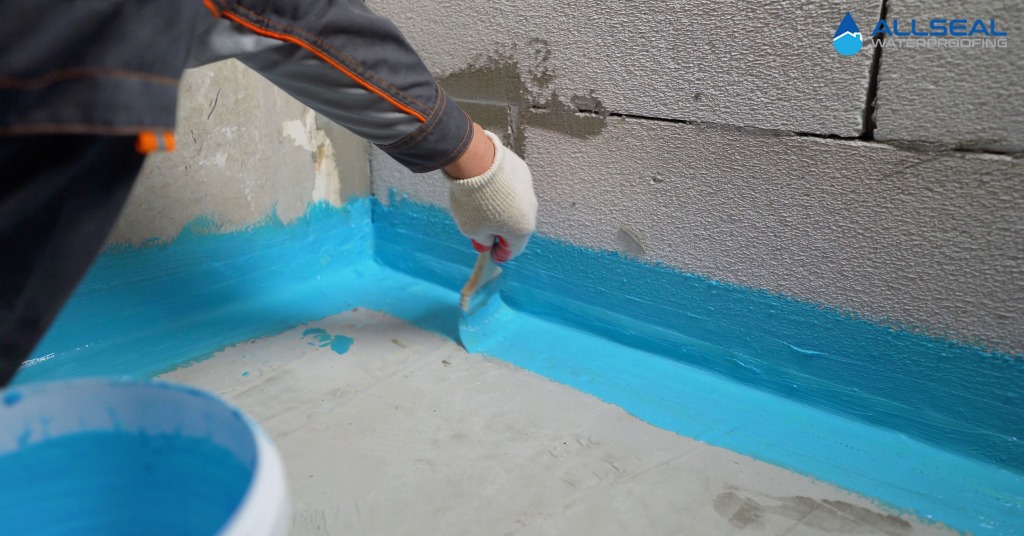
| Issue | Causes | Warning Signs | Solution |
| Roof leaks | UV degradation, heavy rain | Water stains, mould | High-quality membranes, PU coating |
| Bathroom leaks | Cracked grout, poor membrane | Damp walls, peeling paint | Waterproof membranes, seal joints |
| Balcony seepage | Poor slope, membrane cracks | Water pooling, stains below | Correct slope, flexible coatings |
| Rising damp | Groundwater, missing DPC | Damp patches, efflorescence | Chemical DPC injection, wall repair |
| Basement water | High water table, cracks | Damp floor, mould | Membrane repair, hydrostatic protection |
| Window leaks | Sealant failure, poor install | Condensation, drafts | Replace gaskets, reseal frames |
| Planter boxes | Root penetration, blocked drains | Water stains below, plant damage | Seal membranes, clean drainage holes |
| Facade cracks | Thermal movement, UV damage | Cracks, peeling paint | Sealants, repair cracks |
How Allseal Waterproofing PTE Ltd Makes a Difference
Since 2014, Allseal Waterproofing PTE Ltd has been a trusted waterproofing specialist in Singapore. Using the latest technologies and premium materials, Allseal provides long-lasting solutions for:
- Roofs, balconies, and basements
- Bathrooms and wet areas
- Wall and ceiling seepage
- No-hacking and hassle-free waterproofing
With professional inspections, accurate leak detection, and tailored solutions, properties stay protected from water damage.
Call us at +65 8360 1752 for professional waterproofing services today!
Wrapping Up
So, to sum it up, waterproofing mistakes happen a lot in Singapore, but most can be fixed if you know how. From poor surface prep and cheap materials to ignoring corners and joints, these issues cause leaks and damage. By learning about common waterproofing mistakes and solutions in Singapore, using the right materials, and hiring skilled professionals, you can keep your home safe and dry.
Frequently Asked Questions
What is the most common waterproofing mistake homeowners in Singapore make?
The biggest mistake is skipping surface preparation. Dust, dirt, moisture, and uneven patches stop the waterproofing layer from bonding, so it peels or cracks early. Always clean, dry, level, and repair the substrate first, good preparation matters more to the result than the brand of coating you choose.
Why does my bathroom still leak even though the tiles and grout look fine?
Tiles and grout are not waterproof, grout is porous and lets water through, and tiles shift slightly over time. Without a proper membrane underneath, water reaches the slab and spreads. Re-grouting alone rarely fixes it; the real solution is a hidden waterproof membrane under the finished surface.
How long should I wait for waterproofing to cure before tiling or painting?
Follow the product label, since curing time varies by material and weather. In general, the surface should feel fully dry and firm, with no tackiness, before tiles, screed, or paint go on. Rushing this step weakens the bond and is one of the fastest ways to make waterproofing fail.
Can I just paint over an old waterproofing coating instead of removing it?
It depends on what is already down and how well it is bonded. Mixing incompatible products, for example, water-based paint over polyurethane, causes peeling and early failure. Check manufacturer guidance, do a small adhesion test, and remove any loose, flaking, or contaminated layers before recoating.
How do I know if the waterproof membrane behind my tiles has been damaged?
You usually see indirect clues: damp patches on the ceiling below, musty smells, efflorescence on walls, loose or hollow-sounding tiles, and grout that keeps cracking. Small punctures from drilling or fixtures can also break the membrane. If these signs appear, get a leak check before re-tiling anything.
Related: diagnosing structural water damage in Singapore